Patients considering eyelid surgery in Fort Myers, Naples, and Bonita Springs often h...
Lacrimal System Obstructions Treatment
Jump To
Tear duct obstructions, or lacrimal system obstructions, refer to various medical conditions that impair the eye’s ability to produce or properly drain tears. Many conditions may affect the proper functioning of this vital system. If the lacrimal duct does not produce enough tears, dry eyes may occur.
Dr. Stephen Laquis, an acclaimed ophthalmic plastic and reconstructive surgeon, offers treatment options for lacrimal system obstructions in Fort Myers.
What Causes Lacrimal System Obstructions?
Lacrimal glands produce tears, which are spread by blinking the eyelid. The nasolacrimal duct drains tears from the eyes through an inner tube into the nose.
Some common causes of lacrimal system obstruction are:
Tear duct obstruction: Tearing may occur if the nasolacrimal duct is not opened appropriately. Occasionally, tears may become stagnant and infected. An infection causing the blockage can be treated with medications.
Congenital obstruction: Approximately 7% of infants are born with obstruction of the tear duct. Infants with a blocked tear duct often have a membrane covering the opening that empties into the nose.
Initial treatment involves massaging the area. If the condition persists, the tear duct may need to be probed. If the tearing continues, a more advanced procedure may be necessary, which requires placing a tube in the duct to keep it unobstructed.
This process, called intubation, involves inserting thin tubes through the puncta (one or both). The tube passes through the nose and into the tear drainage system. The tube(s) are kept in place for three months.
Injury: A facial injury can lead to a temporary blockage of the tear ducts. In such cases, especially following eye trauma, a thorough evaluation is essential to ensure proper tear function is restored. If that is the case, the patient might have to wait for a few months to see if the condition improves. In many cases, invasive treatments will not be required.
Acquired obstruction: The most common procedure for correcting a blocked tear duct in an adult is called a DCR (dacryocystorhinostomy). This procedure requires a new passage between the blocked sac into the nose. A stent may be placed temporarily to keep the duct open while the passage heals. In some complex or longstanding cases, patients may have accompanying orbital damage. Orbital issues should be evaluated if symptoms extend beyond the tear system.
Dacryocystorhinostomy, depending on the location and the extent of the blockage, may be performed using these two methods:
- External dacryocystorhinostomy: An incision is made on the side of the nose near the lacrimal sac. The lacrimal sac and the nasal cavity are connected after placing a stent. The incision is then closed up with stitches.
- Endonasal dacryocystorhinostomy: This procedure involves inserting instruments required for the procedure through the nasal opening using a microscopic camera. It is a noninvasive surgery that leaves no scars.
Advanced Treatment Options for Tear Duct Blockages
In cases where the abovementioned solutions are not called for, the following treatment options
may be performed to resolve lacrimal system obstructions.
Dilation or Flushing: Doctors can enlarge the puncta using a dilation instrument. They then administer a thin probe into the tear drainage system of the infant whose condition is not
improved by massaging.
This procedure may be conducted among adults to flush or irrigate the tear duct using the probe.
This can be used to provide temporary relief.
Balloon Catheter: This technique may also be considered alongside treatments for eyelid-related issues such as ptosis or brow ptosis that can interfere with proper eyelid function and tear mechanics.
Benefits of Tear Duct Obstruction Treatment
- Elimination of Excessive Tearing – Successful treatment stops the constant watery eyes that can blur vision and cause embarrassment in social and professional settings.
- Reduced Infection Risk – Proper tear drainage prevents bacterial buildup, leading to painful eye infections and discharge.
- Improved Vision Clarity – Patients experience clearer, more stable vision for reading, driving, and daily activities without constant tearing.
- Enhanced Quality of Life – Patients report significant improvement in comfort, confidence, and ability to participate in activities they previously avoided.
- Long–lasting Results – Most tear duct obstruction treatments provide permanent resolution of symptoms with high success rates.
Ideal Candidates for Treatment
You may be an ideal candidate for tear duct obstruction treatment if you experience persistent watery eyes that interfere with daily activities, frequent eye infections or discharge, swelling near the inner corner of the eye, pain or tenderness around the tear duct area, blurred vision from excessive tearing, or symptoms that haven’t responded to conservative treatments like warm compresses or antibiotics.
Dr. Laquis evaluates each patient’s unique anatomy and symptoms to determine the most effective treatment approach. Candidates should have good overall health and realistic expectations about recovery and results.
How to Choose the Right Treatment for You
To determine the best treatment option for you, Dr. Laquis will need to perform some diagnostic
testing to identify the cause of your tear duct obstruction. From there, Dr. Laquis can discuss the
treatment options available to you.
During your consultation, Dr. Laquis can also discuss other important details like the cost of lacrimal system obstruction treatments in Fort Myers and what to expect during your recovery.
How Much Does Tear Duct Obstruction Treatment Cost?
Various fees and factors will determine the exact cost of your lacrimal system obstructions treatment in Fort Myers. Price can vary based on the extent of the work required, the techniques used, and other factors like anesthesia fees. Cost and payment options for your lacrimal system obstruction will be discussed during your consultation.
Learn more about our financing options to make your care more accessible.
Why Choose Dr. Laquis
Dr. Stephen J. Laquis is a leading expert in ophthalmic plastic and reconstructive surgery in Southwest Florida. As a board-certified ophthalmic plastic and reconstructive surgeon, Dr. Laquis possesses an unparalleled understanding of the intricate anatomy of the eyelids, orbits, and lacrimal system. This specialized training ensures precise and effective tear duct blocked surgery.
When you choose Dr. Laquis, you entrust your vision and comfort to a highly skilled and respected professional committed to achieving the best possible outcomes. We take the time to listen to your concerns, explain your diagnosis, and outline all available tear duct obstruction treatment options. With offices serving Fort Myers, Naples, and Bonita Springs, we make it accessible for patients throughout the region to receive expert care.
Frequently Asked Questions
What is the recovery time for tear duct obstruction treatment?
Recovery varies by procedure type. Balloon dacryoplasty patients often return to normal activities within 2-3 days, while DCR surgery may require 1-2 weeks for initial healing. Most patients see significant improvement in symptoms within the first month.
Will I have visible scars after tear duct surgery?
Endoscopic procedures leave no external scars since they're performed entirely through the nose. External DCR creates a small incision near the inner corner of the eye that typically heals to a nearly invisible line. Dr. Laquis uses meticulous surgical techniques to minimize scarring.
How successful is tear duct obstruction treatment?
Success rates are excellent, with DCR surgery achieving 90-95% success in resolving symptoms. Balloon dacryoplasty has slightly lower success rates but offers a less invasive option for appropriate candidates. Dr. Laquis will discuss expected outcomes based on your specific condition.
Can tear duct blockages recur after treatment?
While recurrence is possible, it's uncommon with proper surgical technique. DCR surgery creates a permanent new drainage pathway, making recurrence very rare. Some patients may need minor touch-up procedures, but most enjoy long-lasting relief from symptoms.
Is tear duct obstruction surgery painful?
Most patients experience minimal discomfort during recovery. We provide detailed pain management instructions and prescribe appropriate medications when needed. Many patients report that post-surgical discomfort is much less bothersome than their original symptoms.
Book Your Consultation with Dr. Laquis Today
Contact Dr. Stephen J. Laquis, MD to schedule your consultation for lacrimal system obstructions treatment in Fort Myers. During your appointment, you will be able to ask questions and raise any concerns you may have about the procedure. Contact us today to get the look you’ve always wanted!
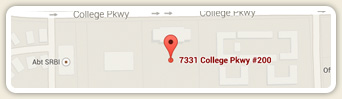
Conveniently Located to Serve Fort Myers, Naples, and Bonita Springs